
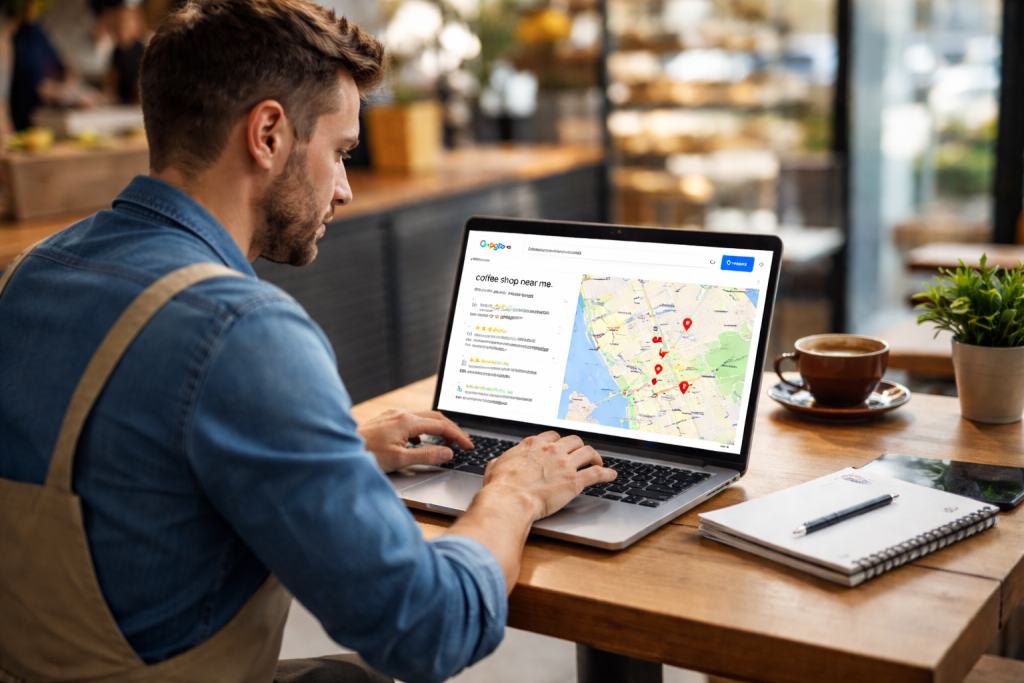
Local SEO helps small businesses appear in Google Maps and local search results.
To improve local SEO, businesses should optimize their Google Business Profile, keep their name, address, and phone number consistent, get more reviews, build local citations, create location pages, use local keywords, improve mobile website speed, and publish helpful local content.
Businesses that consistently work on these areas usually get more visibility, more calls, more leads, and more customers.
First of all, if you own a small business, showing up when people are looking locally can mean the difference between gaining a new client and losing them to a competitor.
When someone searches for “dentist open now”, “espresso shop in my region”, or “first-rate plumber close to me” on Google, they usually select from the first few companies they find.
Due to these reasons, local SEO is becoming one of the most crucial forms of advertising for small businesses. optimization for search engines makes your business appear in Google Maps, local search results, and area-based searches.
Strong local search engine marketing can increase calls, website visits, and traffic to your business, whether you own a restaurant, law firm, beauty salon, dental office, repair service, gym, or retail store.
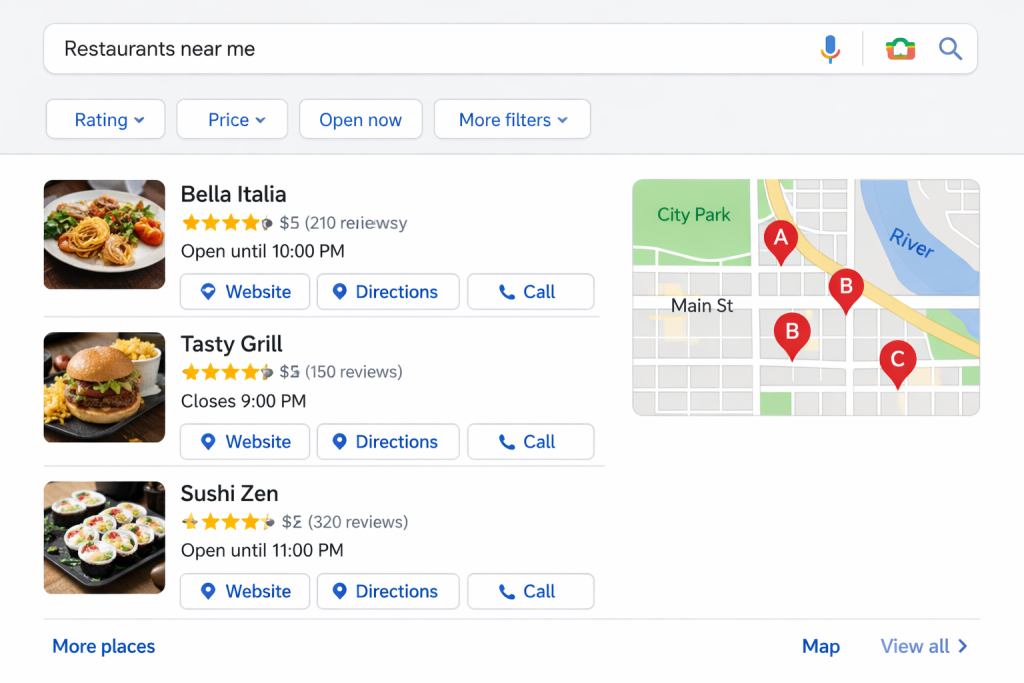
What Is Local Search Engine Optimization?
Simply put, local search engine marketing is the system of improving your on-line presence so your commercial enterprise appears while humans search for services or products in a particular location.
For example:
- “Quality pizza near me”
- “Electrician in London”
- “Vehicle repair in New York”
- “Hair salon open now.”
Unlike conventional search engine optimization, neighbourhood search engine optimization specializes in:
- Location relevance
- Map visibility
- Customer reviews
- Believe alerts
Why Local Search Engine Optimization Matters for Small Businesses?
Many clients seek information online earlier than travelling to a shop or contacting a business.
If search results don’t consistently display your business, you lose potential leads daily.
Local search engine optimization helps small businesses:
- Increase phone calls
- Get extra internet site visitors
- Generate greater save visits
- Improve believe through opinions
- Rank in Google Maps
- Compete with large corporations in a selected vicinity
Even when you have a smaller budget than bigger brands, local SEO gives you a chance to compete in your nearby marketplace.
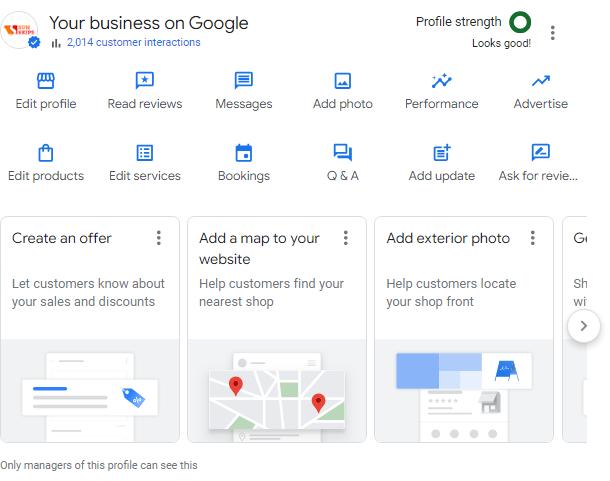
1. Optimize Your Google Business Profile
Your Google Business Profile is the muse of local search engine optimization.
A complete and optimized profile can help your enterprise appear in Google Maps and the local pack.
Make sure your profile includes the following:
- Accurate commercial enterprise name
- Correct cope with
- Updated smartphone quantity
- Website URL
- Business hours
- Main commercial enterprise class
- Secondary classes
- Business description
- Photos of your commercial enterprise, crew, merchandise, and place
- Services and merchandise
- FAQs
Choose the maximum relevant number one category because it has a major impact on rankings.
Category Examples:
- A dentist need to use “Dentist” as the number one category
- A roofing company must use “Roofing Contractor”.
- A local bakery should use the word “bakery.”
You need to additionally put up updates regularly.
Share givaways, bulletins, events, seasonal promotions, or new offerings.
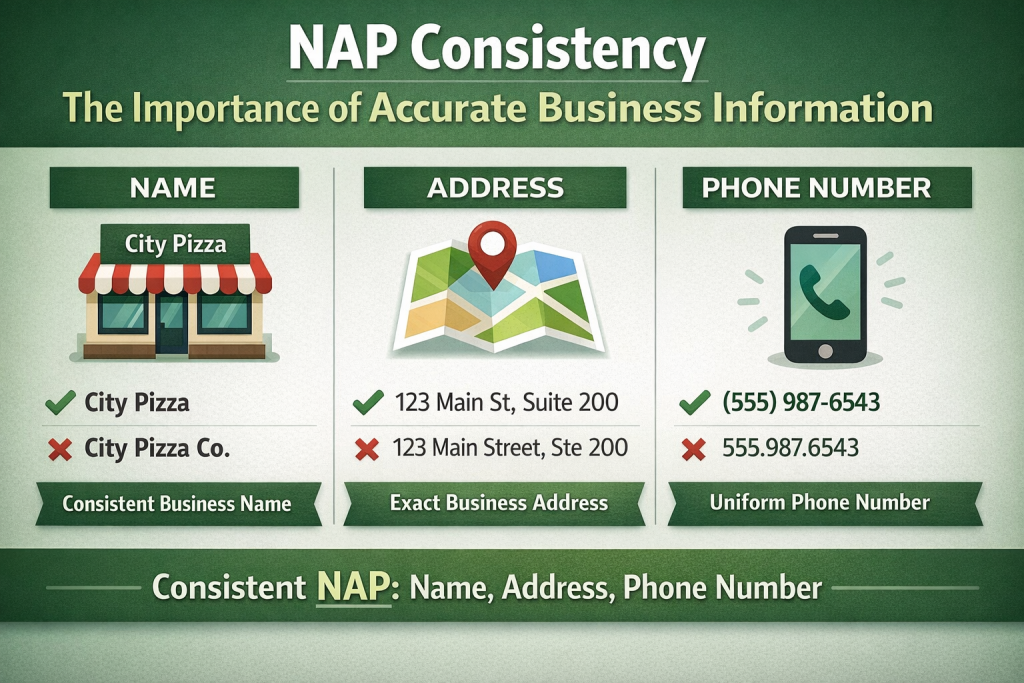
2. Keep Your NAP Consistent Everywhere.
NAP stands for Name, Address, and Phone Number.
Your business statistics must be precisely identical throughout all systems, together with the following:
- Your website
- Google Business Profile
- Social media pages
- Business directories
- Review websites
- Local citations
For example, if your commercial enterprise name is “Bright Smile Dental Clinic”, do not write it in a different way somewhere else, like:
- Bright Smile Dental
- Bright Smile Clinic
- BrightSmile Dental Clinic
Inconsistent data confuses the SERPs and may harm your neighbourhood’s rankings.
3. Build High-Quality Local Citations.
A quotation is any online point of your business to call, connect with, or speak to several people about.
Citations help search engines like Google and Yahoo verify that your enterprise is actual and sincere.
Popular Citation Websites:
- Google Business Profile
- Yelp
- Bing Places
- Apple Maps
- Yellow Pages
- Local commercial enterprise directories
- Industry-unique directories
The more first-rate citations you have, the stronger your local belief signals become.
However, high-quality matters more than quantity.
A few accurate citations on trusted websites are better than masses of low-first-class listings.
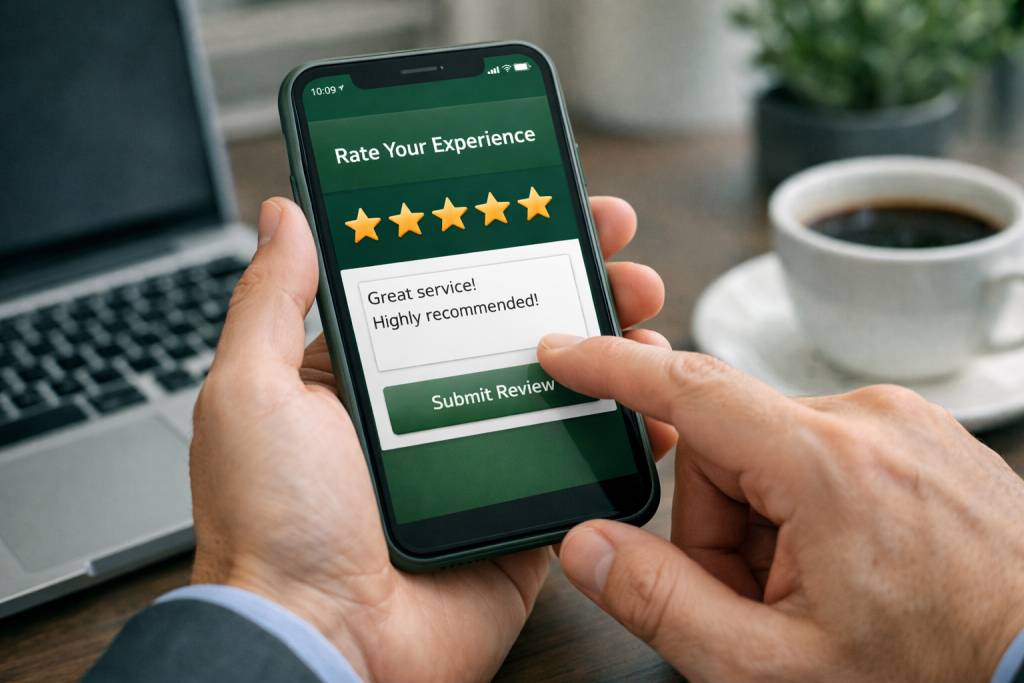
4. Get More Reviews and Respond to Them.
Reviews are one of the most powerful local ranking factors.
Businesses with more wonderful reputations frequently rank better and appeal to more customers.
Ask satisfied customers to leave feedback after they have finished using a service or made a purchase.
Ways to Request Reviews:
- SMS
- QR codes to keep
- Follow-up calls
Always reply to opinions, even unfavourable ones.
Thank customers for high-quality remarks and respond professionally to court cases.
A commercial enterprise that responds to evaluations seems more truthful and energetic.
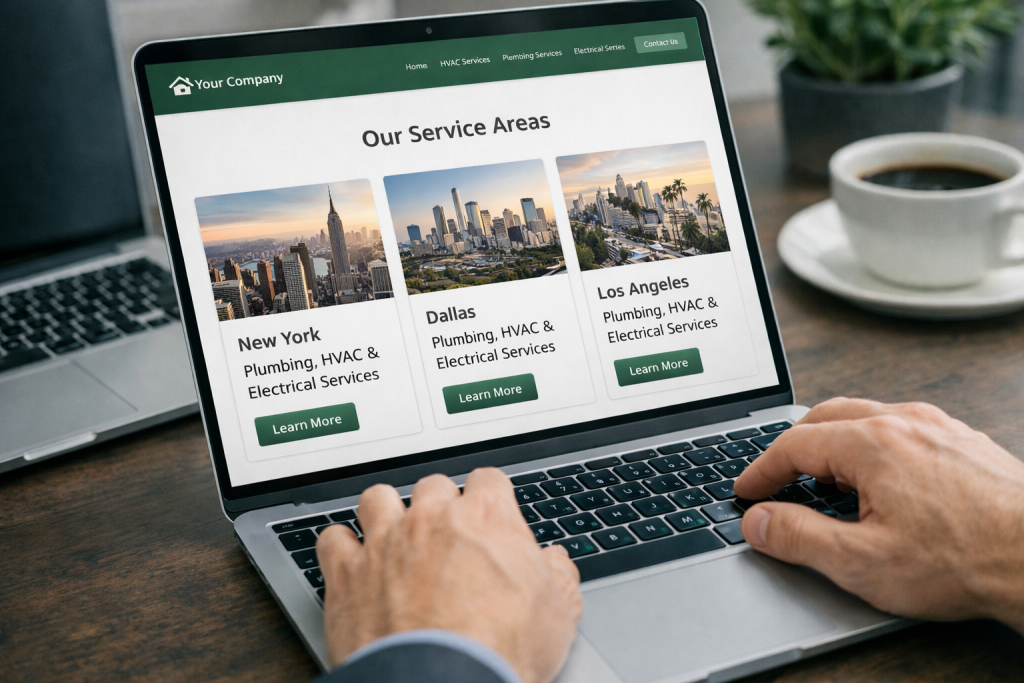
5. Create Location Pages on Your Website.
If your business serves a couple of cities or neighbourhoods, create a separate web page for each.
Location Page Examples:
- Plumbing Services in Chicago
- Plumbing Services in Dallas
- Plumbing Services in Houston
What Each Location Page Should Include:
- Unique content
- Service info
- Local key phrases
- Customer opinions
- Photos
- FAQs
- Directions or embedded maps
Avoid copying the same content for every city page.
Every area page should be unique and valuable.
6. Use Local Keywords Naturally.
Local key phrases help search engines like Google comprehend where your enterprise operates.
Local Keyword Examples:
- “Own family dentist in Miami”
- “Emergency plumber in Toronto”
- “Quality gym in Sydney”
- “Roof restore in Manchester”
Where to Use Local Keywords:
- Page titles
- Meta descriptions
- Headings
- Website content material
- URLs, image
- Alt text
Do not stuff key phrases unnaturally.
Write for human beings first.
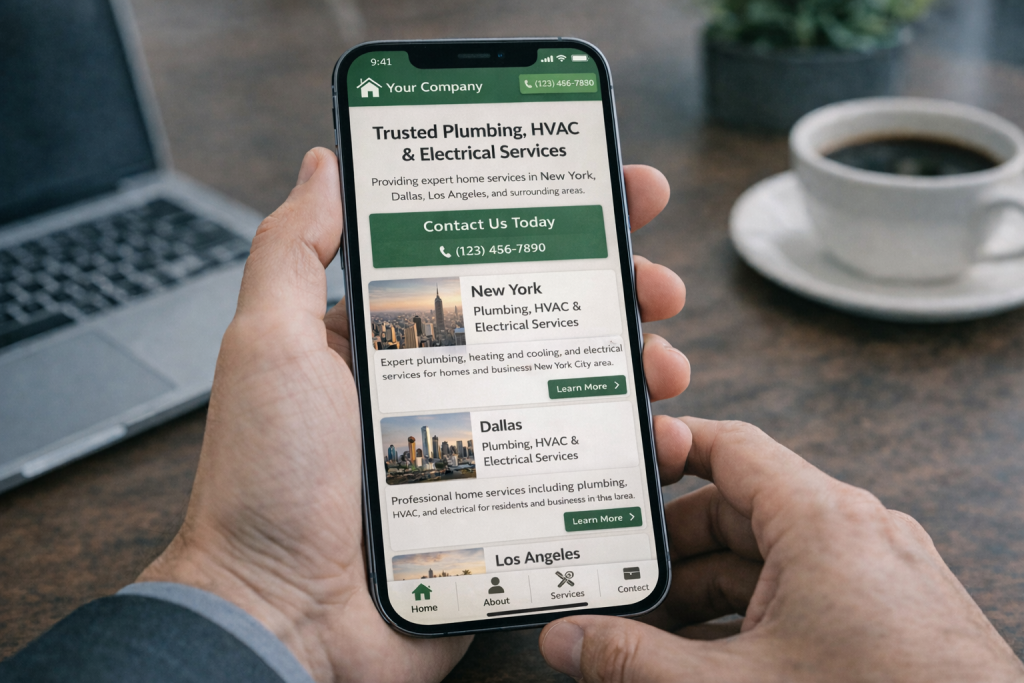
7. Improve Your Website for Mobile Users.
Many neighbourhood searches are done on mobile devices.
If your website is slow, difficult to navigate, or not cellphone-friendly, you will quickly lose traffic.
Mobile Optimization Checklist:
- Load speedily.
- Work well on mobile phones.
- Have clear name-to-action buttons.
- Make it clean to name, e-book, or touch.
- Use readable text and easy navigation.
A responsive mobile website can increase both ratings and conversions.
8. Add Local Business Schema Markup.
Schema markup is a code that is added to your website to help search engines identify information about your business.
Local Business Schema Elements:
- Business name
- Address
- Phone range
- Opening hours
- Reviews
- Services
- Price variety
- Coordinates
Schema can improve how your company appears in search results, but it does not instantly increase ratings.
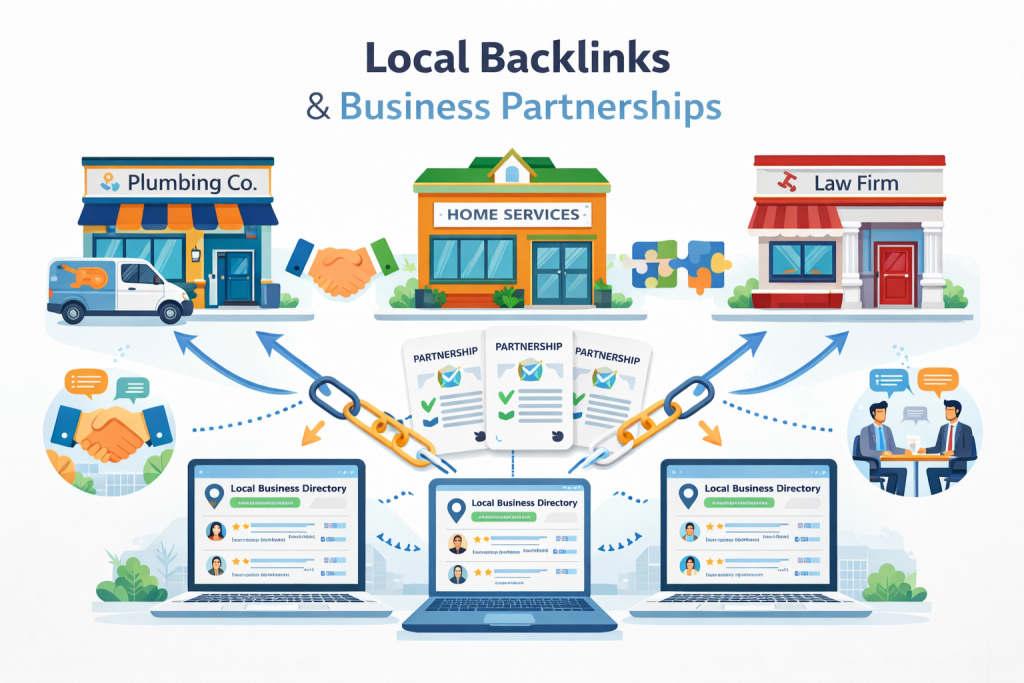
9. Earn Local Backlinks.
Backlinks are links from other websites to your website.
For local SEO, hyperlinks from nearby websites are especially precious.
Sources of Local Backlinks:
- Local blogs
- News websites
- Chambers of commerce
- Local commercial enterprise institutions
- Sponsorships
- Community events
- Local influencers
For example, if a nearby newspaper writes about your business and hyperlinks to your website, which could improve your authority.
10. Publish Informative Local Content.
Big brands don’t always benefit as much through content advertising.
By producing useful content about their town, products, and customer issues, small companies can attract in local website traffic.
Content Ideas for Local Businesses:
- The best neighbourhoods for households in your city.
- Common plumbing problems throughout winter.
- How to pick out a wedding venue regionally.
- Local activities and seasonal recommendations.
- Frequently asked questions about your carrier.
In addition to increasing your chances of ranking for more specific search terms, helpful content increases trust.
11. Track Your Local SEO Performance.
You can only enhance what you measure.
Important Local SEO Metrics:
- Google Business Profile views
- Phone calls
- Direction requests
- Website clicks
- Keyword scores
- Review growth
- Organic visitors
- Conversion price
Useful SEO Tools:
- Google Search Console
- Google Analytics
- Google Business Profile Insights
- Ahrefs
- Semrush
- BrightLocal
- Whitespark
This SEO tool helps you understand what is operating and where you should improve.
12. Typical Errors in Local Search Engine Marketing to Avoid.
On the other hand, many small businesses make errors that impact their rankings.
As a result, these mistakes are easy to make and can be harmful to your business.
Common Mistakes to Avoid:
- Inconsistent name and address facts.
- Choosing the wrong business category.
- Ignoring customer opinions.
- Using fake reviews.
- Creating duplicate Google Business Profiles.
- Using too many keywords.
- Having a slow website.
- Copying content from competitors.
- Not updating business hours.
- Ignoring mobile optimization.

Final Thoughts:
Even though it takes time and effort, improving your search engine marketing is one of the best things you can do for your small business.
Start with the foundations:
- Optimize your Google Business Profile
- Keep your name, address, and phone number consistent
- Build citations
- Get reviews
- Improve your website
- Use keywords
- Create content
The businesses that work on search engine marketing usually get more people looking at them, more leads, and more long-term customers.